The TRF CBT – introducing young people into safe, responsible and sustainable trail riding.

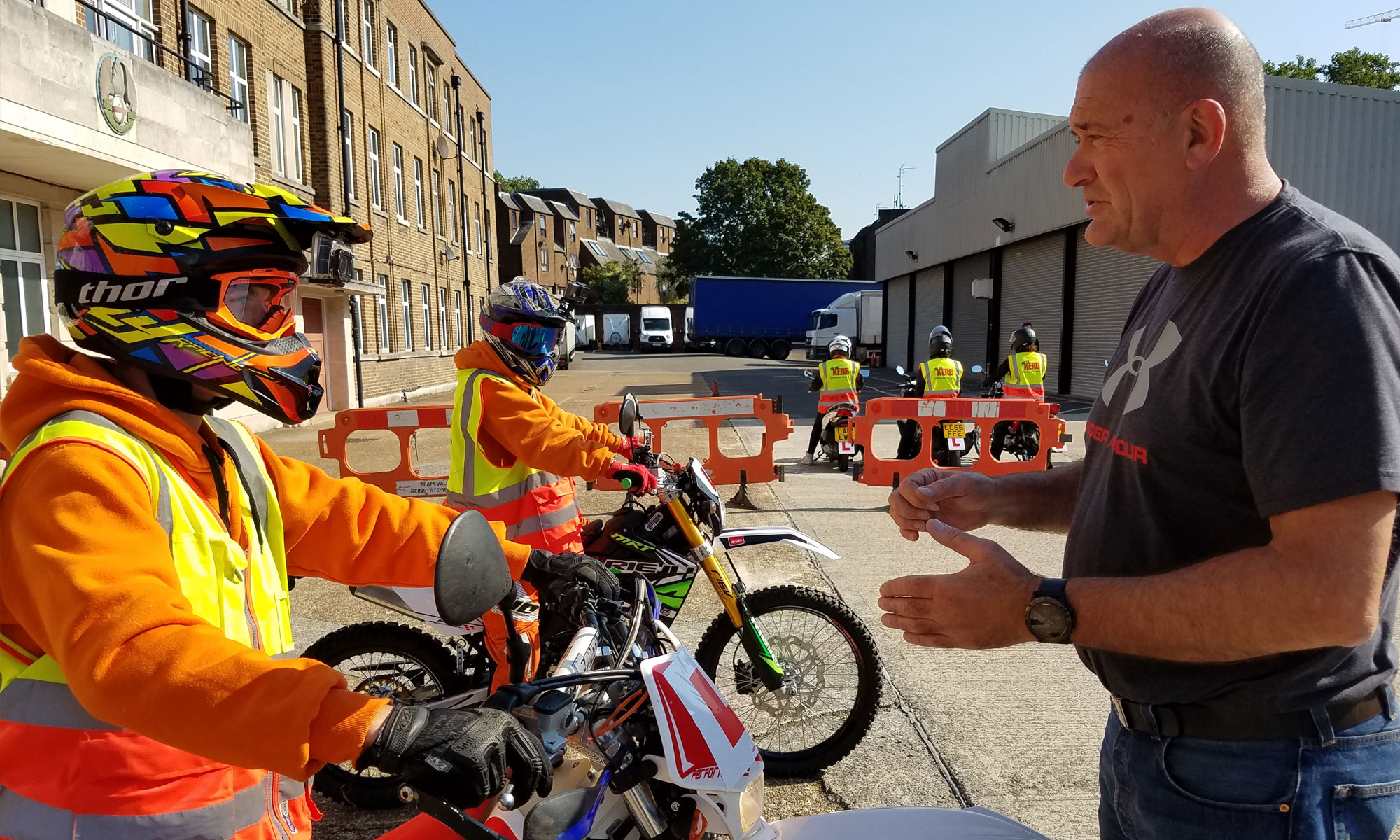
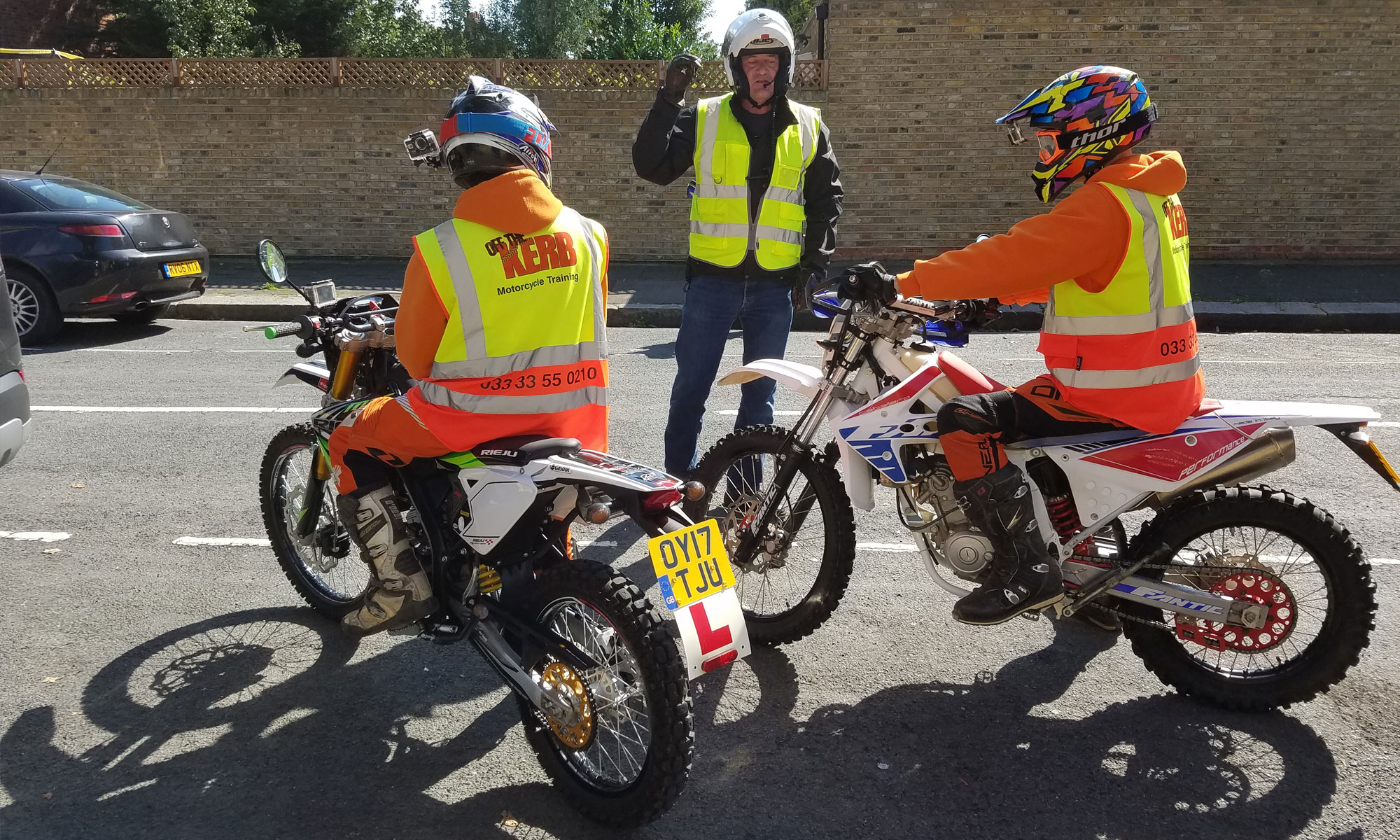
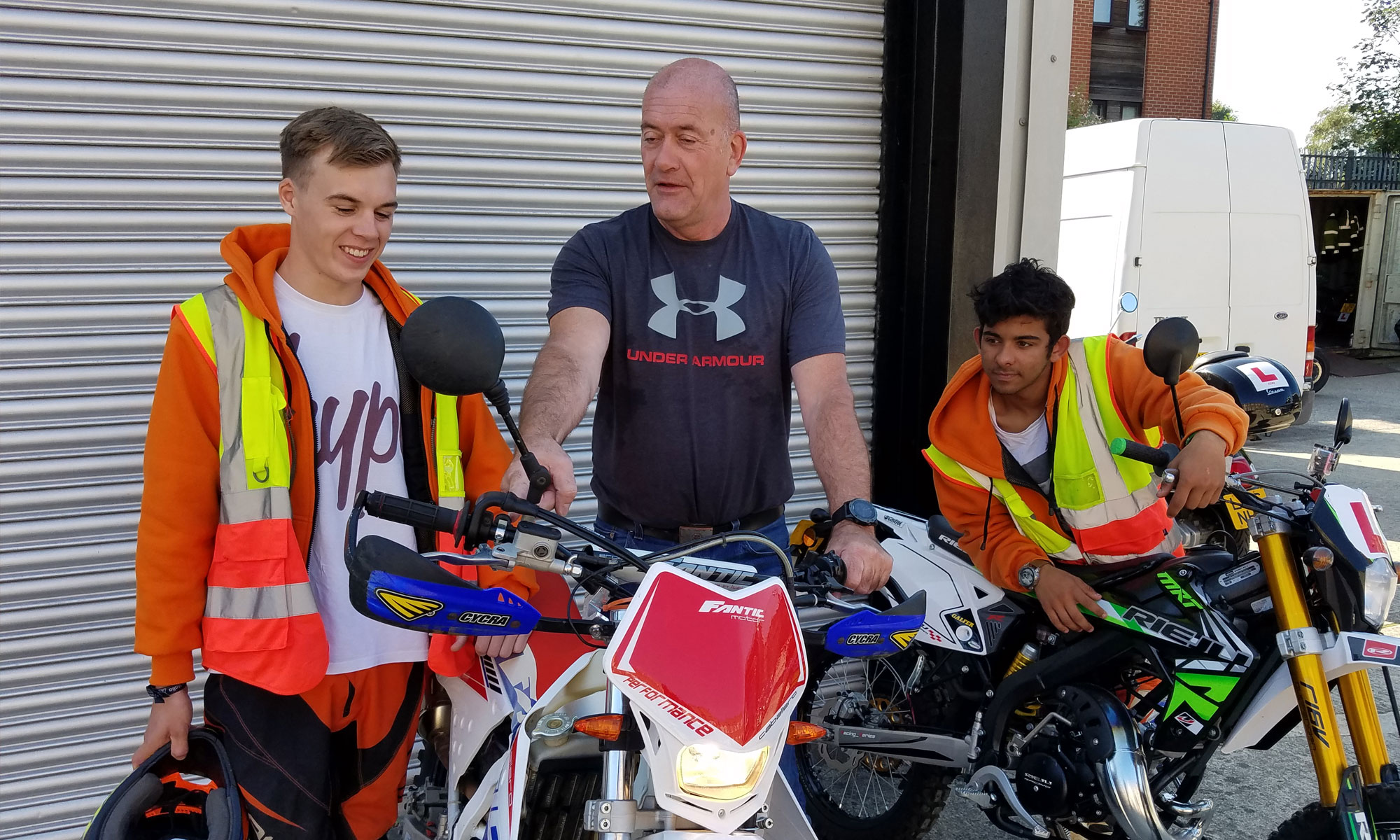
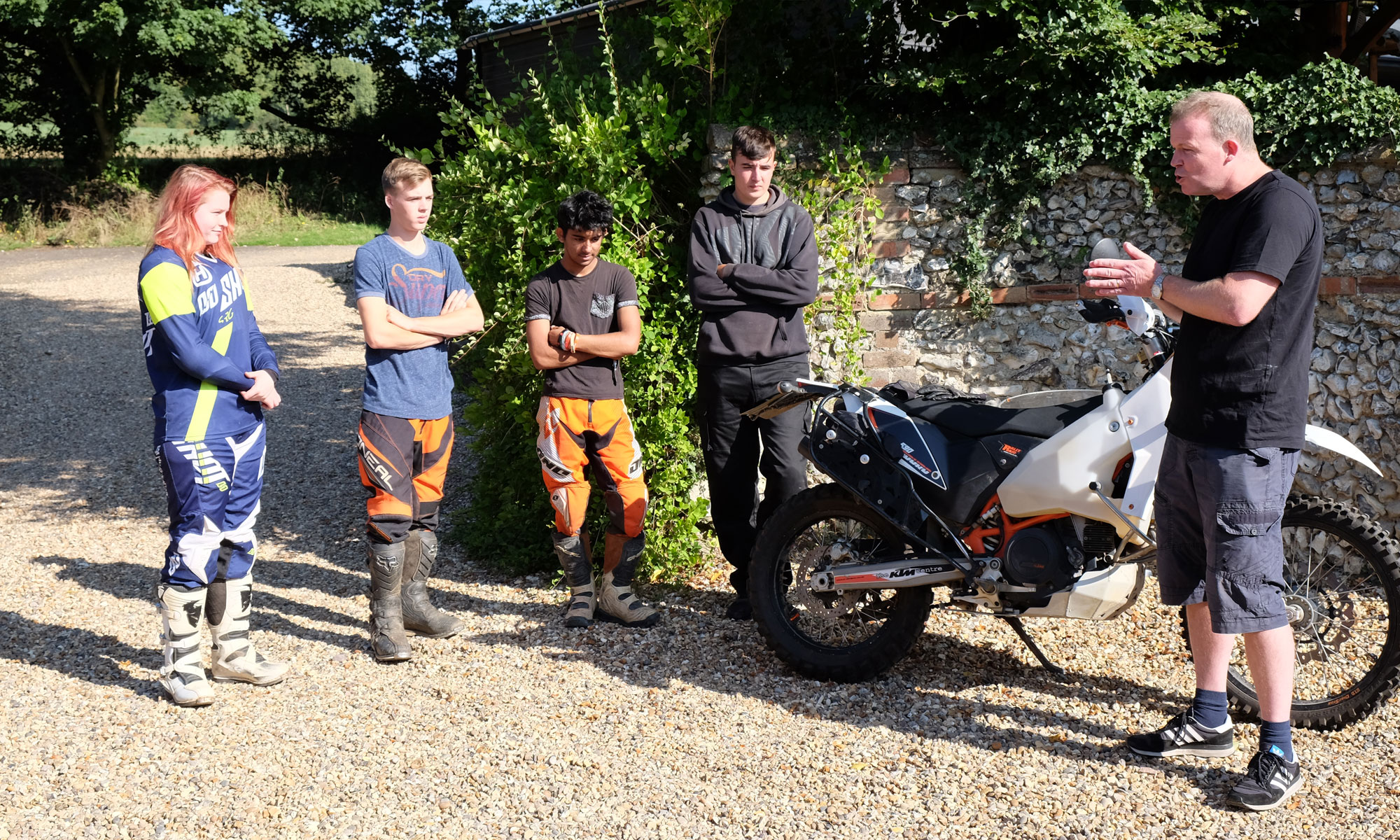
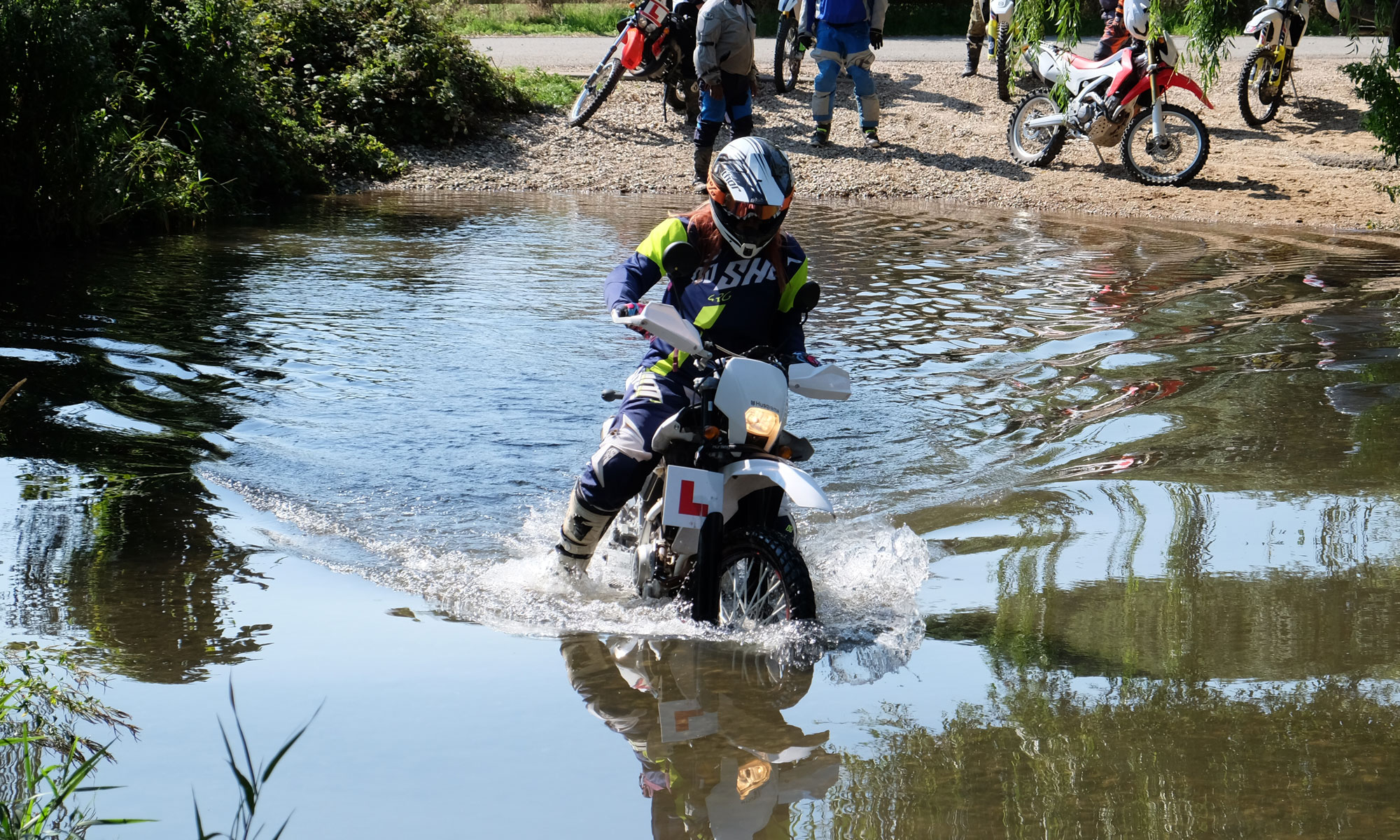
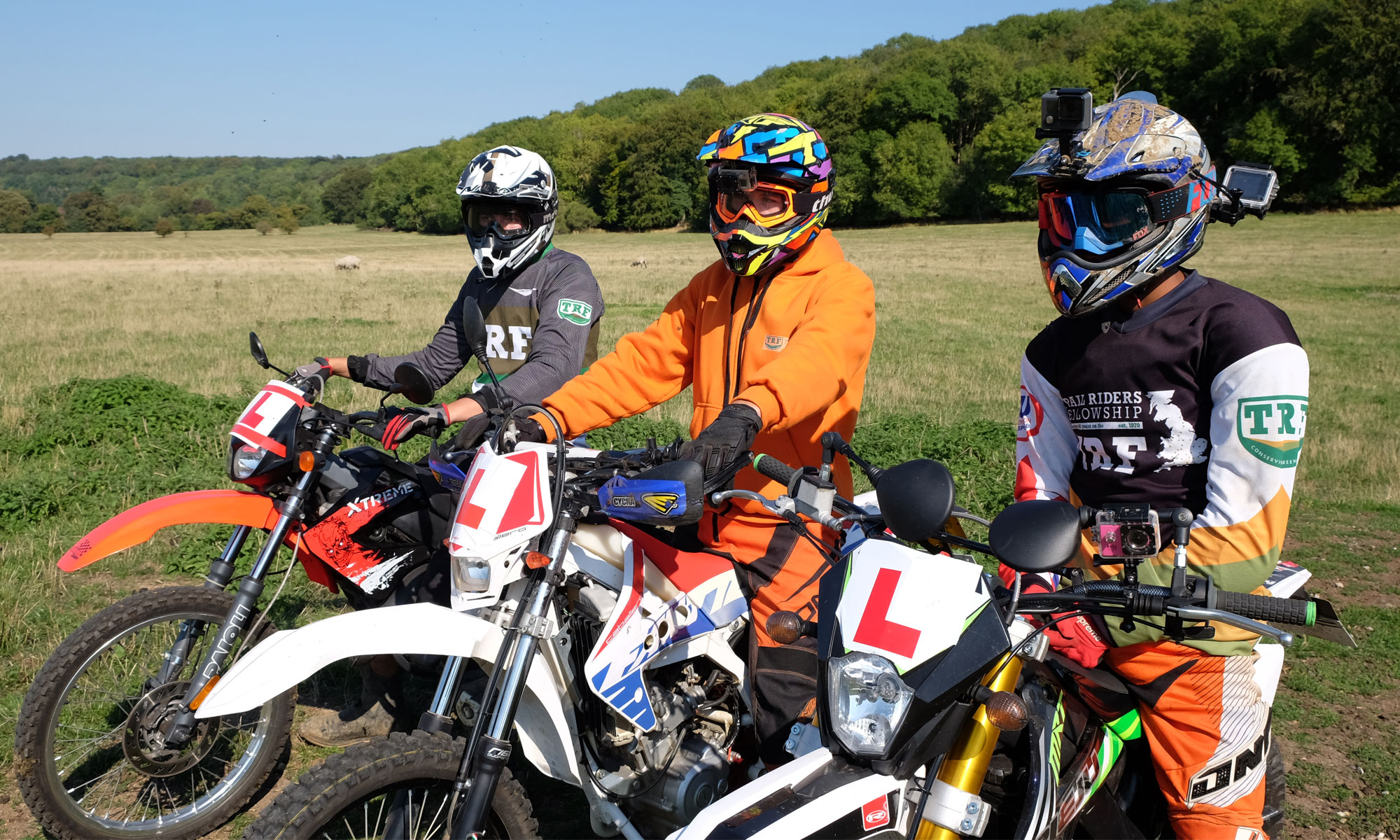
At the beginning of September, the TRF held possibly its first formal training event aimed at introducing young riders to Trail Riding.
What is a CBT?

Compulsory basic training (CBT) was introduced in 1990 to help reduce the very high accident rate among inexperienced motorcyclists. CBT must be completed by Law, before any new moped or motorcycle rider is allowed to ride on the road with L-plates or D-plates in Wales. This includes riding green roads and trails open to the public.

What’s different about the TRF approach to CBT?

An Institute of Advanced Motorists (IAM) study in 2009 of 3500 accident showed that 250 16-year-old boys are killed or seriously injured in moped accidents.
The IAM says the three top priorities are:

* A review of the Compulsory Basic Training (CBT) programme that currently lasts for just two hours.

* A “Think Moped” campaign informing drivers and teenagers why, when and where riding mopeds is risky.

* A new commitment to develop ways of targeting illegal and reckless riding.

no-repeat;center top;;
Young-Riders-02

https://trail.trf.org.uk/wp-content/uploads/2018/09/Young-Riders-02.jpg
Young-Riders-03

https://trail.trf.org.uk/wp-content/uploads/2018/09/Young-Riders-03.jpg
Young-Riders-01

https://trail.trf.org.uk/wp-content/uploads/2018/09/Young-Riders-01.jpg

In addition

In addition a 2015 report from the Driver Vehicle Standards Agency (DVSA) who surveyed CBT takers came up with many recommendations that the TRFs offering will help with in the following ways;

1: Success rate

The TRF proposes a minimum two-day course rather than a one-day course.

DVSA say- The average completion rate for CBT across all Approved Training Bodies(ATB)s is the same as that found in the learners’ survey – 96%. The average one-day completion rate (amongst all learners) is 84%.

2: Safety

The TRF offers additional safety training in particularly on riding unsurfaced roads, group riding and first aid training.

DVSA say Four in ten learners (39%) would pay extra for more on-road and safety training.

3: Trail bike machine skills

The TRF offer riding a proper trail bike (including 50cc moped) with gears.

DVSA say – Most trainers (72%) feel that completing CBT on an automatic does not prepare learners well for riding a manual

4: Trail riding skills

The TRF will give training on the following areas

Off tarmac Trail riding skills

The law covering access and where to trail ride

Managing risk –sharing the trail and managing conflict – eg trail & road rage.

Social & Environmental responsibility and least impact

Dealing with injuries and first aid

This will basic course form the foundation of a formal Trail Riding course undergoing ROSPA & ACU accreditation.

5: Continued learning through 12 months of TRF membership

Those completing the CBT have access to thousands of guided rides and related training through our 40 groups nationwide. The natural next step is preparation for a full licence and the TRF can offer plenty of “saddle time” with experienced riders. The DVSA Approved Training Bodies will offer further training to DVSA test standard.

DVSA say – it should be made easy and not overly costly for those who want extended training to be able to come back for another 2 hours on the road for example. The onus should not be on completion in one day and while trainers claim they don’t tell learners how long it should take, the fixed fee per course price structure may be influencing many trainers to aim for one day completion.

6: Further qualifications past Driving Test

The TRF offer the full licence holder access to the following qualifications

Qualified First Aider including for riding injuries (1-day course £30)
IAM Advanced Motorcyclist Skills for life (10% discount)

ACU Coach

ACU Clerk of Course

no-repeat;center top;;
Young-Riders-04

https://trail.trf.org.uk/wp-content/uploads/2018/09/Young-Riders-04.jpg
Young-Riders-05

https://trail.trf.org.uk/wp-content/uploads/2018/09/Young-Riders-05.jpg
Young-Riders-06

https://trail.trf.org.uk/wp-content/uploads/2018/09/Young-Riders-06.jpg

Why are the TRF

Why are the TRF doing this?

The membership that make up the new TRF is fast changing and the TRF Directors are leading a programme to assist newer young riders that are interested in trail riding to join the TRF and learn about responsible trail riding.

We get many enquiries from young riders who are interested in trail riding and we, the TRF Membership, need to make it clear to young riders who go trail riding, that the first step is to attend a CBT course.

“Off the Kerb Trail riding” whose directors are long term existing TRF members, have been in discussion over CBT and young riders since last year. They also have great relationship with Fantic and run a fleet of learner legal trail bikes. More recently the TRF was invited a meeting at Mick Extance Experience Centre to discuss Safety training and met with East Midlands TRF member Paul Nunn of Shire motorcycle training who handle the bookings for Mick Extance Experience. Paul has an amazing team of trainers including young lady instructors with strong trail riding skills. He also has a fleet of Kawasaki KLX 125 for CBT use. From the TRF’s perspective it became clear that training on safe, legal and courteous riding starts with the CBT, rather than leaving it till later.

Off the Kerb and Shires have offered to look after the first step the CBT, and we are looking for young riders ideally 16 for moped and 17 for 125cc in need of a CBT
List of TRF linked DVSA Approved Training Bodies (ATB) who provide CBTs plus knowledge of Trail Riding include:

• Off the Kerb – London http://www.offthekerbmct.co.uk & http://offthekerbtrailriding.com/

• East Midlands – Shires – https://www.shiresmt.com/

Please contact Chris Barrable [email protected] TRF Training Director as a TRF member you would like to add any Trail orientated CBT Training providers to this list. Stewart Bosworth [email protected] is writing the course of Trail Riding. For other inquiries over Young Riders and the TRF, Tom Carnell [email protected] has agreed to look after this area.

no-repeat;center top;;

More info on CBT and rider training HERE

https://www.gov.uk/motorcycle-cbt

center

icon-star

left

orange

white

4

CBT insights HERE

https://assets.publishing.service.gov.uk/government/uploads/system/uploads/attachment_data/file/380799/cbt-learners-trainers-report.pdf

center

icon-star

left

orange

white

4

More info on moped accidents HERE

https://www.telegraph.co.uk/motoring/motorbikes/5077581/Moped-rider-risks.html

center

icon-star

left

orange

white

4

More info on motorcycle casualties HERE

https://assets.publishing.service.gov.uk/government/uploads/system/uploads/attachment_data/file/447673/motorcyclist-casualties-2013-data.pdf

center

icon-star

left

orange

white

4

More info on the impact of training in reducing motorcycle accidents HERE

https://www.sciencedirect.com/science/article/pii/0022437589900327

center

icon-star

left

orange

white

4
Earlier this year

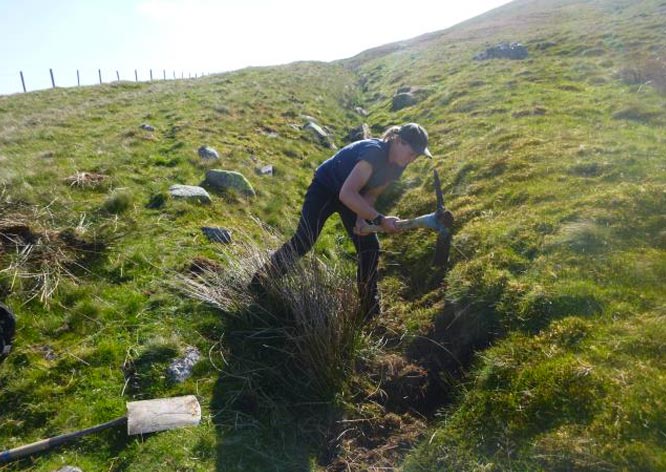
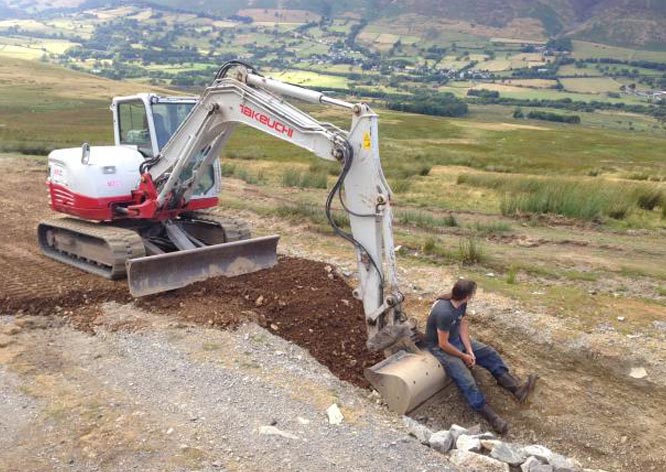
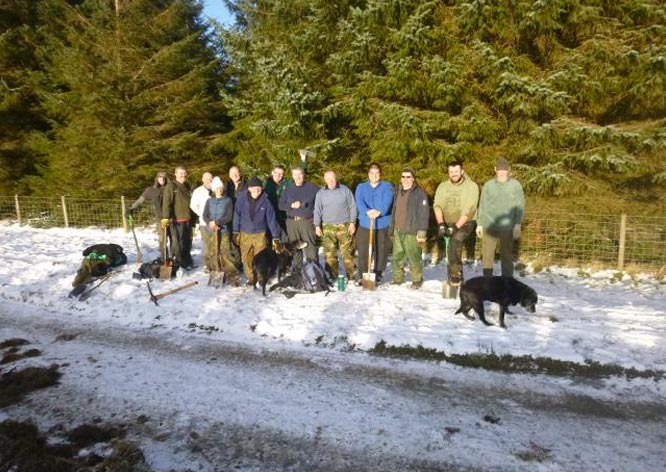
Earlier this year Cumbria TRF put out a call for help to repair The Old Coach Road, an iconic route through the northern Lake District that was literally being washed away. It looked like a big ask, until trail riders and other green road users did something amazing. We caught up with Steve Stout, the man behind the project to find out how this incredible green road conservation project came about and its legacy.

no-repeat;center top;;

Read the Old Coach Road Repair Plan HERE

https://trail.trf.org.uk/wp-content/uploads/2018/09/01.-CTRF-The-OCR-U3132.U2236-Repair-Plan-30.04.pdf

center

left

orange

white

3

Read the Old Coach Road Survey HERE

https://trail.trf.org.uk/wp-content/uploads/2018/09/02.-CTRF-U3132.U2236-Survey-04.18.pdf

center

left

orange

white

3

The OCR is approximately

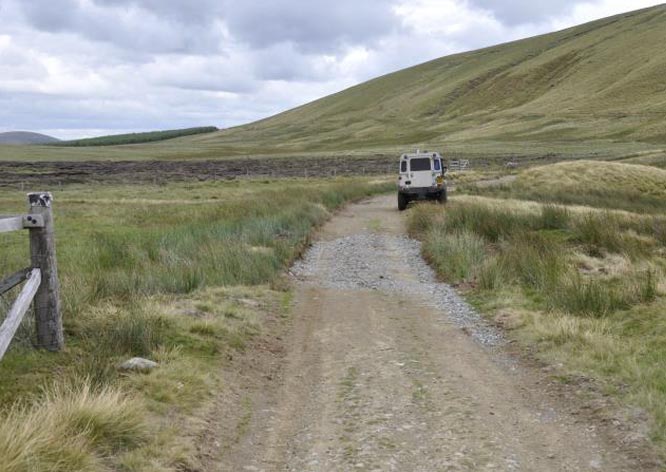
The ‘Old Coach Road’ is approximately 8 km of unsealed unclassified county road in the parishes of St. John Castlerigg & Wythburn, Threlkeld, and Matterdale. It crosses the boundary of both Allerdale (U2236) and Eden (U3132) Districts of Cumbria County. It passes through an Environmentally Sensitive Area, for a short distance crosses a Site of Special Scientific Interest, and reaches a maximum altitude of 437 metres (1436 ft).

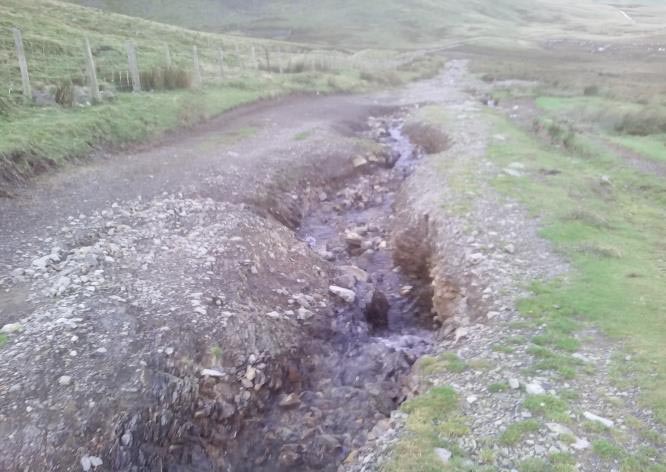
It was significantly damaged during Storm Desmond in December 2015.

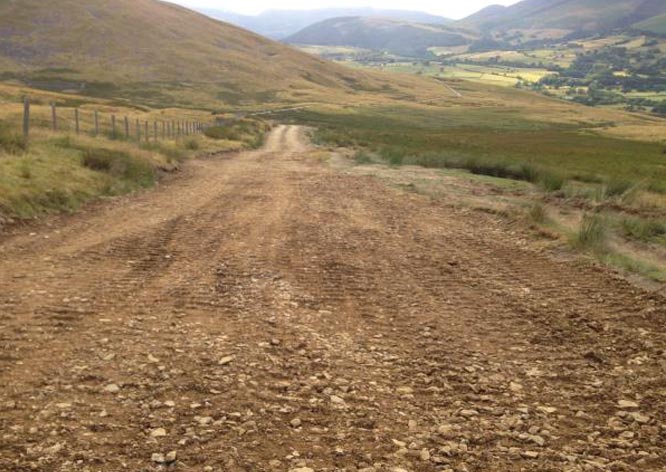
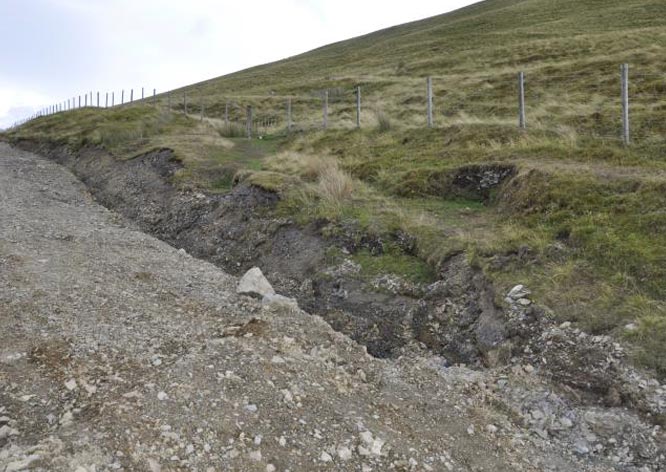
The excessive rainfall left the road heavily scarred in several places. On the western end, a trench opened up running down from Hausewell Brow for almost a kilometre adjacent to the sheepfold at the bottom of the descent. (GR 341232 to 333235). On the eastern end, the damage on Hausewell Brow was not as severe or dramatic but a shallower trench opened up along the surface for approx. 1.5 kilometres to Mariel Bridge.

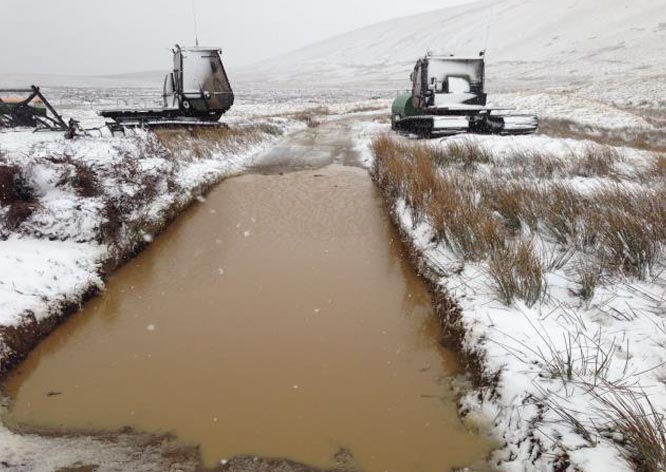
The eastern section between High Row and Mariel Bridge had several large puddles and the drainage gully was blocked for the majority of the route, but the water damage was less severe than at the western end. However, the whole road was suffering from a general lack of maintenance.

no-repeat;center top;;

Video

no-repeat;center top;;

Last known records

Last known records of maintenance and repairs to this lane are recorded in the minutes of a meeting of the Hierarchy of Trails Working Party Group in 2003. It is believed that Cumbria County Council, (CCC), the National Trust, (NT), and Lake District National Park Authority, (LDNPA), carried out some works to the eastern section as a joint project but this is still unverified. Since this time, the drainage gully that runs the length of the lane had become choked with sphagnum moss (Sphagnum spp.) and soft rush (Juncus effusus) and in some places both. Many of the culverts were also damaged with age issues.

Cumbria Trail Riders Fellowship, (CTRF), have worked for over twenty years in Cumbria conserving and helping CCC and the LDNPA to manage the green road network. CTRF decided to try to tackle the deterioration of the Old Coach Road and so the plan to repair the road was discussed and put into action in 2018.

Once the logistics of the project had been identified, drawing on knowledge of specialist contractors and professionals who have repaired upland rights of way in Cumbria for many years, the stages were identified and set up.

no-repeat;center top;;

Coach-Road-Saved-01

The day after storm Desmond 2015

Coach-Road-Saved-02

July 2018

Coach-Road-Saved-03

December 2017

Coach-Road-Saved-04

July 2018

Coach-Road-Saved-05

Main drainage gully not evident in 2017

Coach-Road-Saved-06

Main drainage gully and culvert reinstated 2018

Stage 1

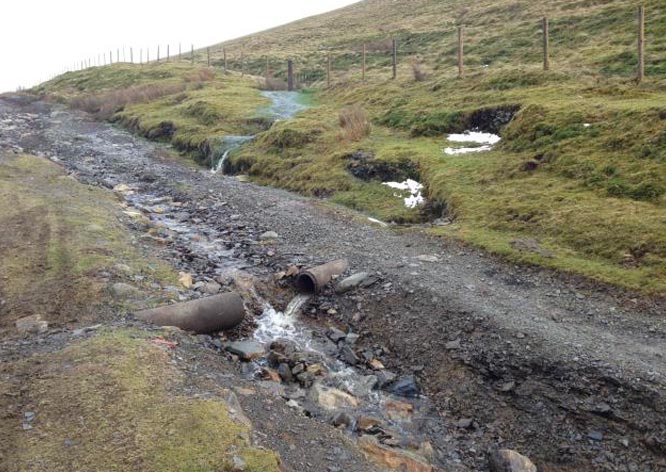
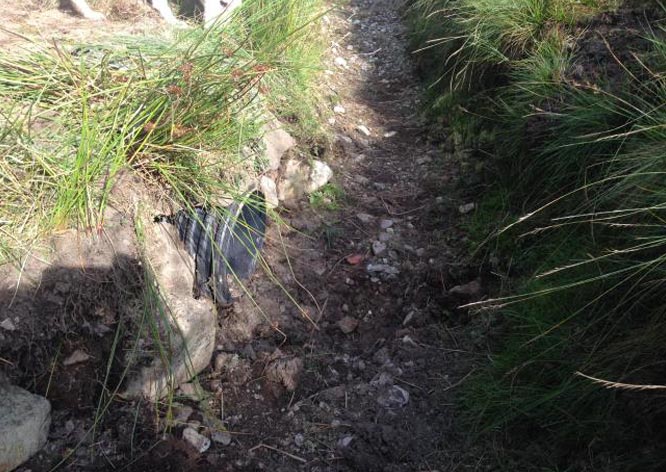
Stage 1 was to re-open the drainage gully that runs the length of the road, Stage 2 was to repair or replace the culverts that run under the surface of the road to the downhill aspect.

Funding requests to the CCC (who technically are responsible for the route’s maintenance), the LDNPA and the NT were unable to be met, however permissions to continue were given by CCC, LDNPA, Natural England, the local Parish Council & the various user groups to complete the project. A crowd funding process was set up by CTRF and embraced by the national Trail Riders Fellowship, the Green Lane Association and the Trans Euro Trail community. Together these user groups generated a significant amount of the funds needed to repair the road; and a significant number of individuals donated funds to the project.

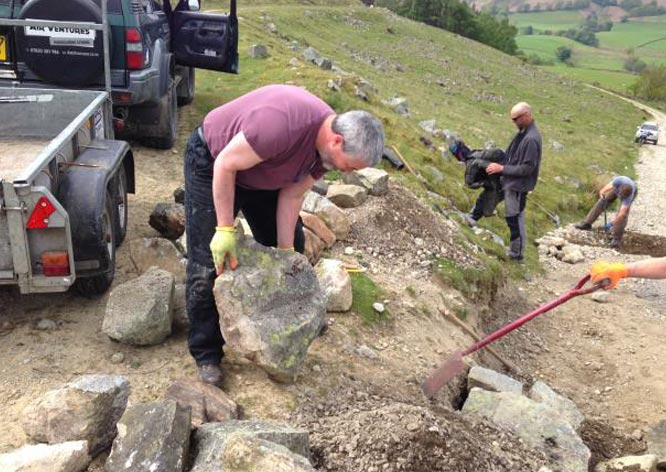
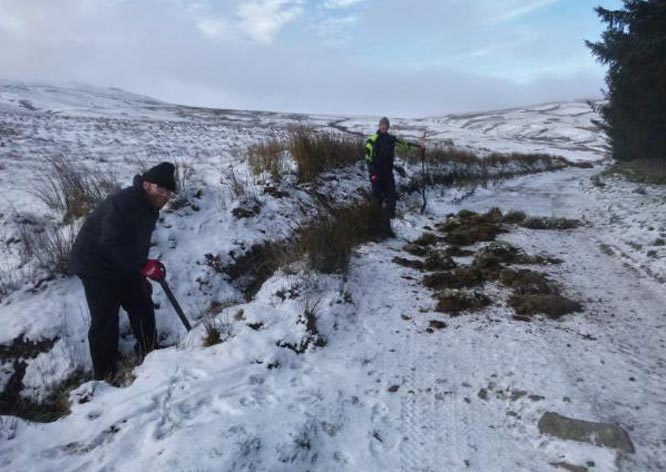
Stakeholders, including local residents, local user groups and local contractors completed the project’ donating their time and efforts unstintingly, however special thanks should go to the many individuals, the European community of trail riders and also to the many motor clubs from other parts of the UK who embraced the spirit of this project and helped to truly show what a community can achieve.

Both the Threlkeld Commoners and Threlkeld Mining Museum granted access to their stone quarry which has traditionally been used to maintain the road. A very big thank you goes to all of these people for their huge generosity as without this the project would not have been completed.

The team from Dan Birkett Construction did a great job and the effects of their expertise and hard work should be seen for years to come. The LDNPA and the NT donated items which helped immensely.

Twenty five of the sixty two culverts were replaced in all, seven in the eastern section and eighteen between Mariel Bridge and Klondike Quarry. Around 3000 tons of material was used to fill in the trenches taking a total of forty one man days for the paid construction team. Volunteer days was 118 days over the length of the project.

no-repeat;center top;;

40

dots

default

Donations

DONATIONS

center

no-repeat;center top;;

Money 01

Trail Rider Fellowship Groups – £5,872.00

Green Lane Association – £5,000.00

Individuals– £3,690.00

Trans Euro Trail – £515.00

Lake District Land Rover Meet – £220.00

Bassenthwaite Motor Club – £200.00

Cumbria Soaring Club – £200.00

Byway Tour – £30.00

TOTAL – £15,727.00

left

no-repeat;center top;;

Money 02

Threlkeld Commoners – Materials

Threlkeld Mining Museum – Permissions and Stone

Cumbria Soaring Club – Volunteer time

Lake District Land Rover Meet – Volunteer time

Dan Birkett Construction – One unpaid day of four staff

Lake District National Park Authority – Volunteer Tools

National Trust – Culvert Piping x 7 lengths (TBC)

Sir Robert McAlpine – Expertise

Ashcrofts Construction – Expertise

Trail Riders Fellowship – Planning, Expertise and Enthusiasm

Trans Euro Trail – John Ross – Advice and Marketing

MW Graphics – Signage

Greg Villalobos Films – Fundraising campaigning and Generosity

Graeme Jackson – Drone Footage

Alan Williams – Drone Footage & Filming

Lucy Dunn – Patience and Support!

left

no-repeat;center top;;

40

dots

default

Costs

COSTS

center

no-repeat;center top;;

Phase 01

PHASE 1:

Digger x 5 days – £1250.00

VAT – £250.00

PHASE 2:

Digger, dumper & workmen x 9 Days – £9,000.00

Culvert piping @ £58.00 x 18 – £1044.00

VAT – £2008.80

Just Giving Fees – 656.17

Diesel – £300.00

Bench & Plaque – £580.00

TOTAL PROJECT SPEND – £15,0888.97

MONIES LEFT OVER – £638.03

Monies left over will be used in the next two years to maintain the main drainage gully.

left

no-repeat;center top;;

Video

no-repeat;center top;;

Coach-Road-Saved-07

Coach-Road-Saved-08

Coach-Road-Saved-09

Coach-Road-Saved-10

Coach-Road-Saved-11

Coach-Road-Saved-12

The road is now

The road is now repaired for all users, whether they be walkers, cyclists, horse riders, farmers, paragliders, motor vehicle users or any other type of user.

What is needed for the future is ongoing maintenance and a commitment from the user groups to monitor the road and step in to maintain it as none of the ‘local authorities’ have committed to do so. This inability to implement maintenance on the higher-status public rights of way and on the lowest classes of roads is happening throughout Cumbria and across the UK, and so it is left to the user groups to take on the responsibility themselves until such time as our governments see fit to realign their sense of responsibility.

For the future it would be desirable for this road to become an entry point for both the community and visitors to access story boards which explain the landscape, the wildlife, the history and the current techniques used to manage this area whilst retaining its accessibility for all user groups. A plaque is to be erected to commemorate the generosity of the people involved in this project, this will sit at the top of Hausewell Brow for all to read and enjoy as they use this road.

This project has been a great success. The desired outcomes have been achieved, the community spirit of all the disparate parties involved has been a pleasure to behold and the generosity of all the donators, (whether they gave cash or time and effort) has been heart warming. Sometimes in adversity the human spirit does come together and achieve something special. Long may that continue.

Steve Stout

Chairman, Cumbria Trail Riders Fellowship , July 2018

no-repeat;center top;;

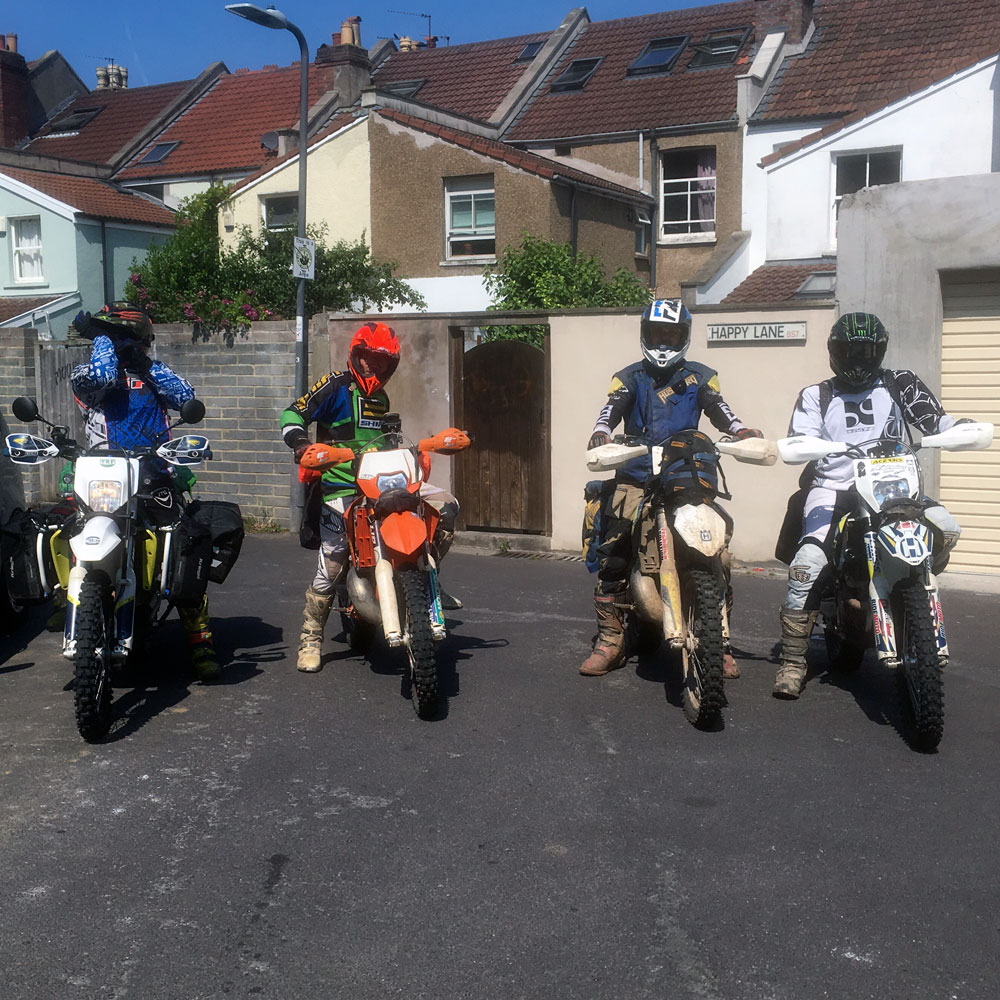
Trail bikes and exploration go hand in hand. Add a sleeping bag and you have a multi-day adventure. Last summer Central Bristol TRF headed out on a ‘outward-bound’ exercise into the unknown.

Dean Allen lifts the lid on their wild ride.

I have been putting on events and raising money with Central Bristol TRF (CBTRF) over the last eight years and can honestly say that it has been very successful, and I have enjoyed myself immensely. The “Ubley Muddle” and “Checkpoints” are the 2 events that I am most proud of especially as neither of them are speed events. “Checkpoints” is a navigational challenge and the “Ubley Muddle” is a show of technical skill with observed sections. Members of the TRF have been delighted to use these two events to build their confidence in riding and has enabled them to go on and take part in Long distance trials or LDTs as they are known. However, 2017 saw me taking a break in the organisation of events and pursuing some of my other riding ambitions. One thing that I had on the bucket list was to do an outward-bound type of exercise where I leave a destination and wild camp the route over several days until I reach my chosen destination. All whilst travelling and navigating across the country on green roads.

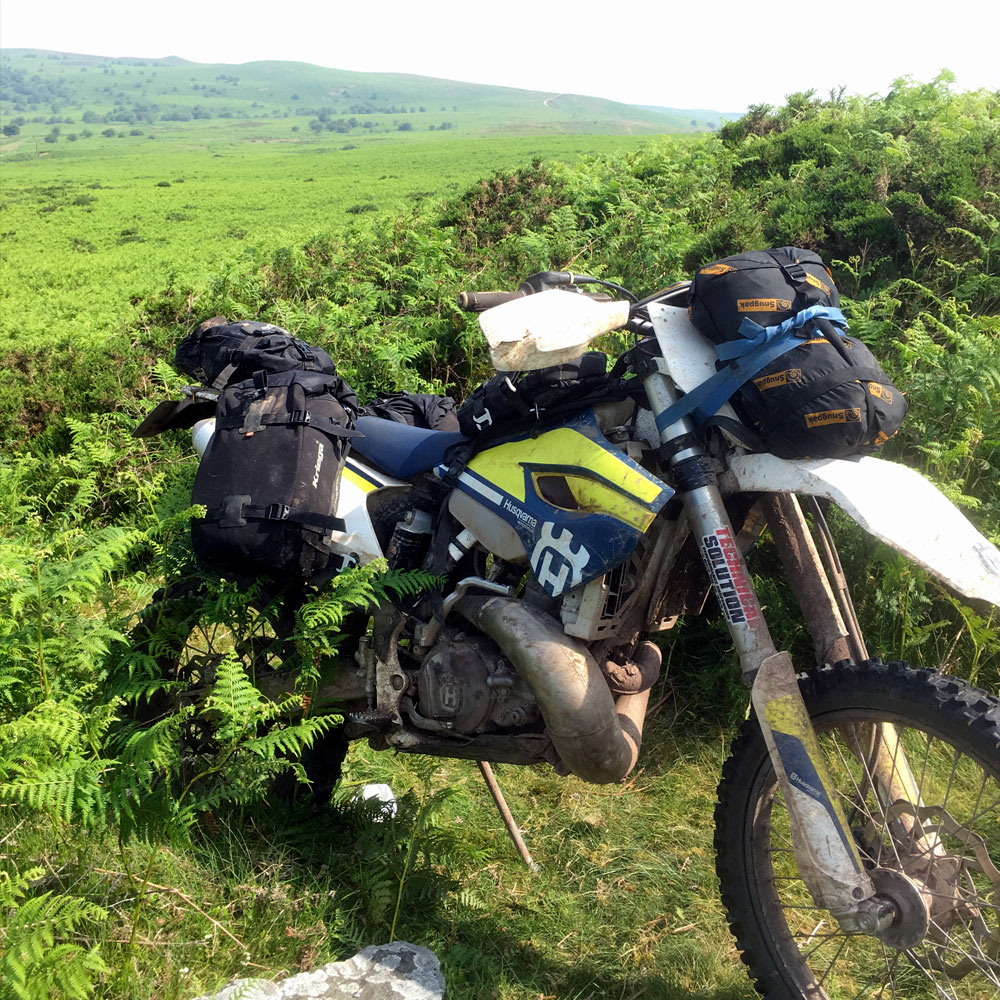
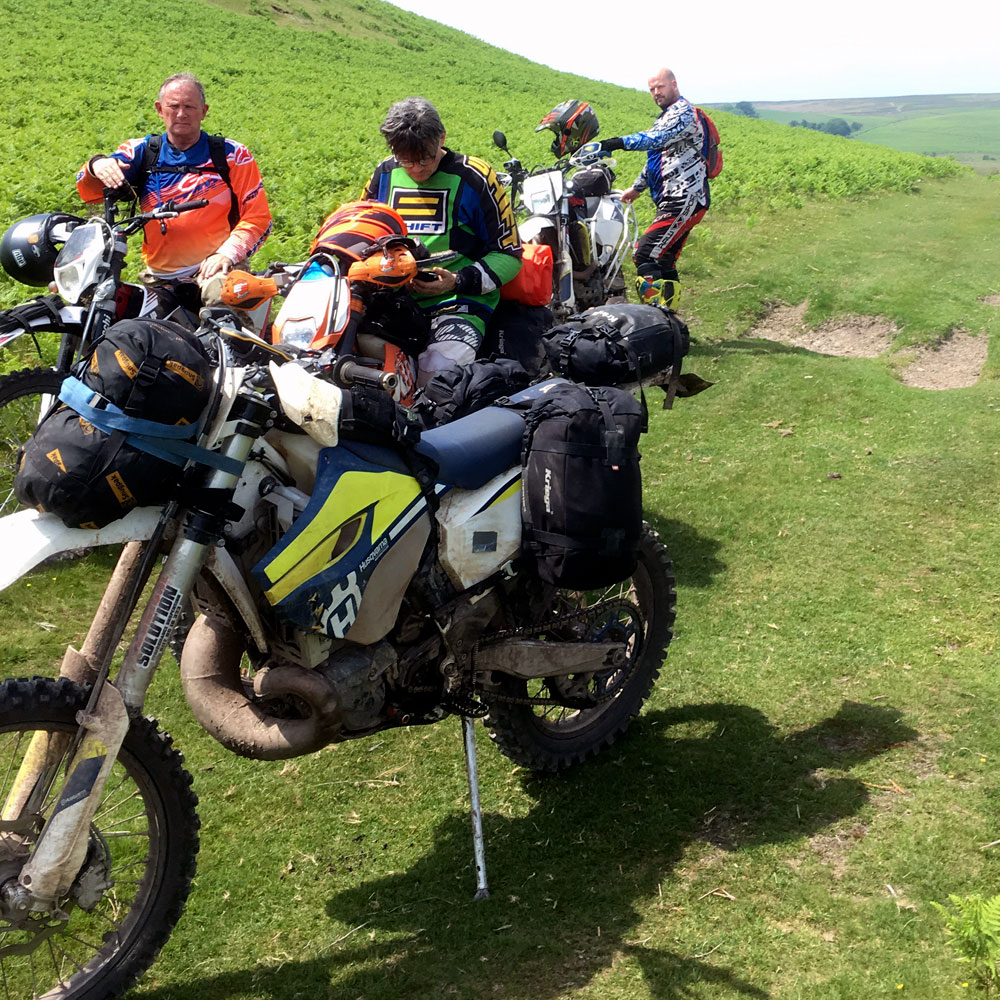
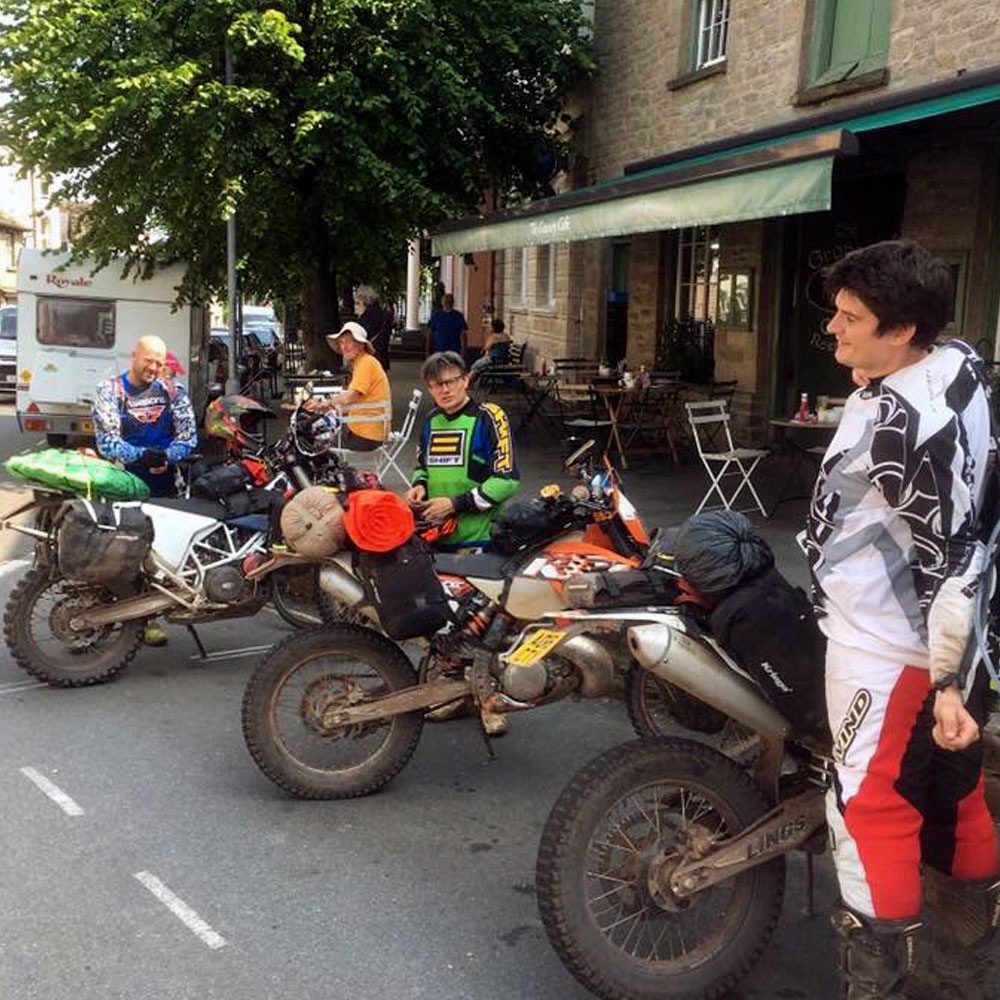
I gathered a small team of like minded CBTRF members and began to plan our expedition. My travel companions were to be Alcuin Wilkie, Darth Speed, Tom Cruuse, Kevin draper and his wife. Now part of the emphasis of this trip was the art of packing light, only the essentials as everything had to be carried on the bikes by ourselves.

no-repeat;center top;;

Dean-Wild-Camping-01

https://trail.trf.org.uk/wp-content/uploads/2018/03/Dean-Wild-Camping-01.jpg

Dean-Wild-Camping-05

https://trail.trf.org.uk/wp-content/uploads/2018/03/Dean-Wild-Camping-05.jpg

Now it was

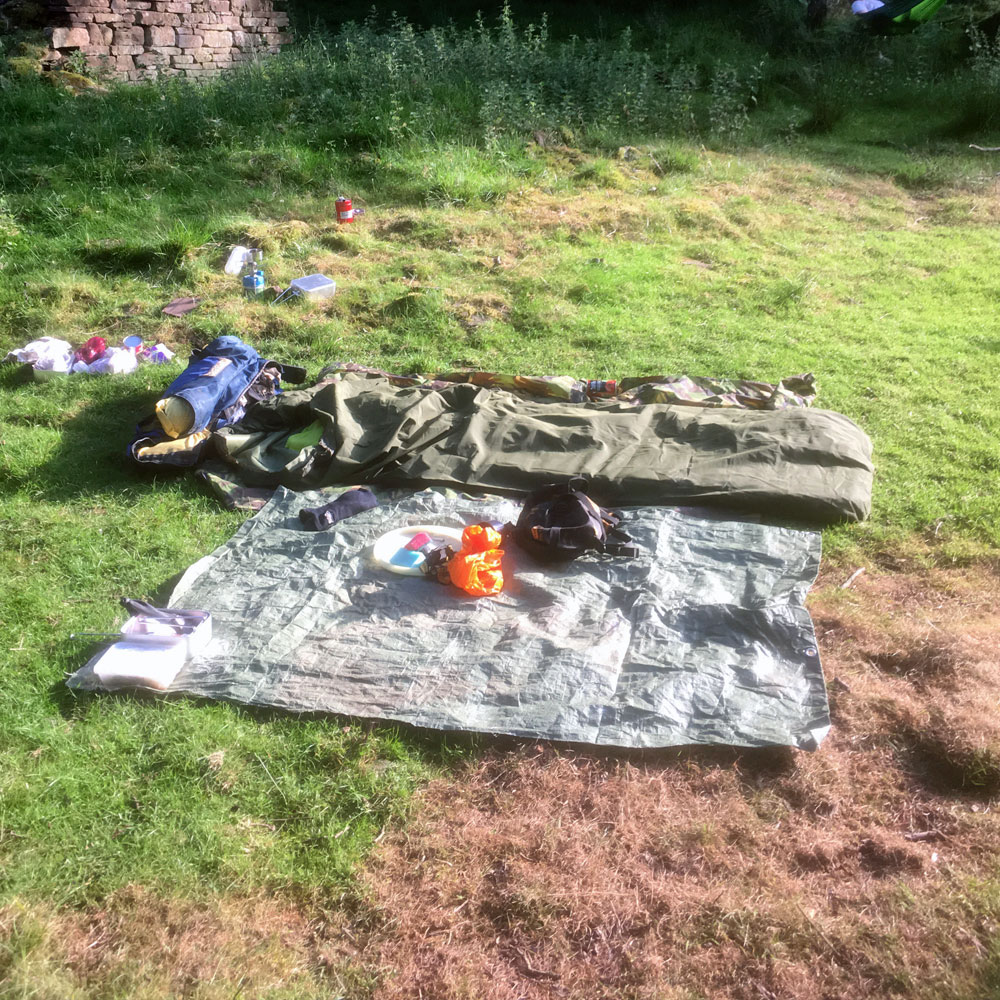
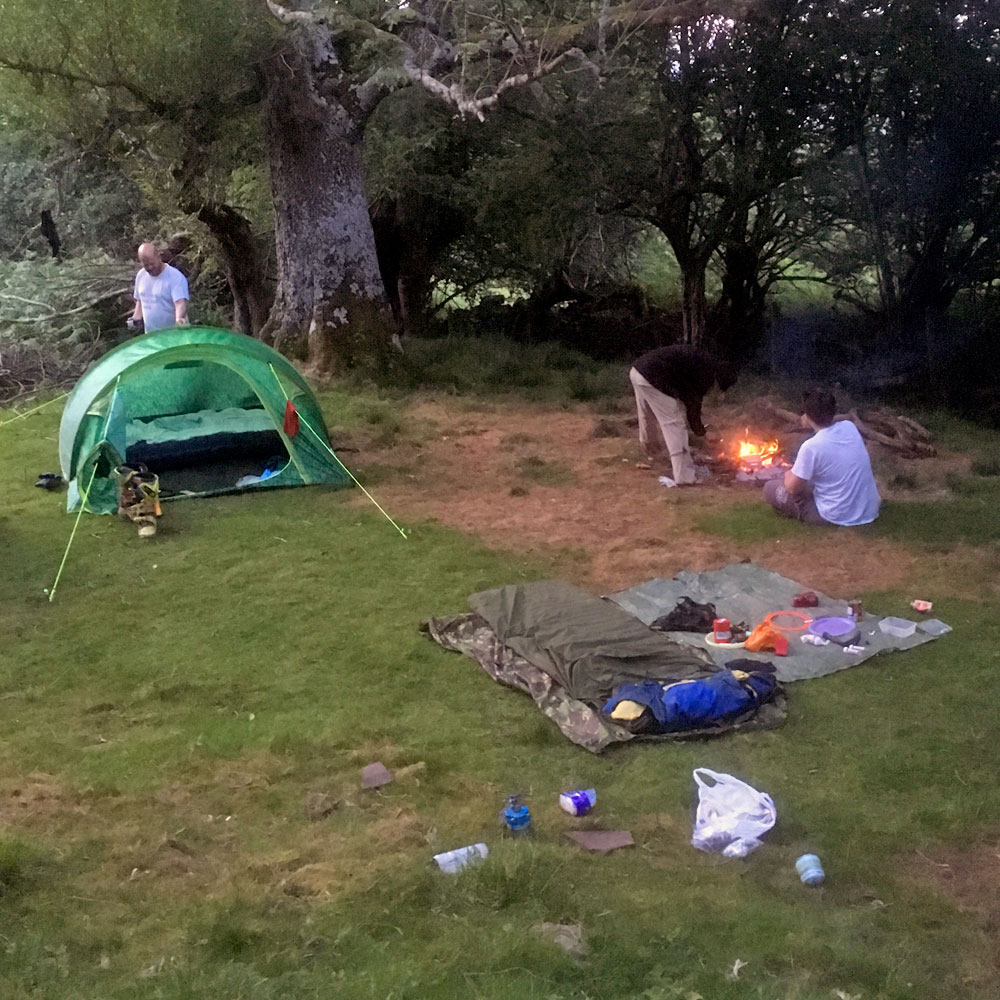
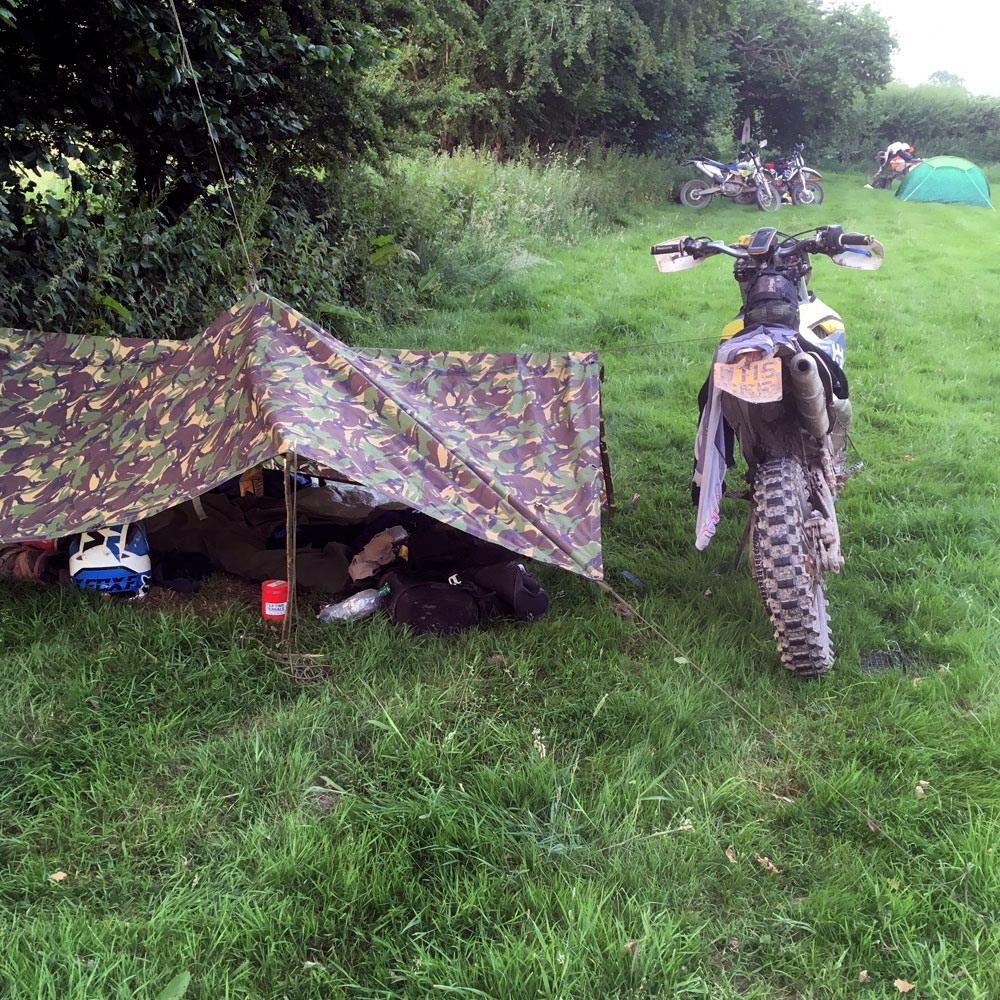
Now it was quite clear that everyone’s idea of essentials was very different. On the one hand you had myself with my 30-year-old sleeping bag, self-inflating pack light roll mat, tarp and bivi bag (incidentally I suffered every night of the trip due to my poor choice of sleeping bag). On the other hand, we had someone rock up with family size tent, double airbed, pyjamas and slippers.

Now all we had to do was plan our route. I spent hours on Basecamp identifying the different green roads that were available to ensure that our route was a strictly legal one. Fitting this all into a time frame and knowing where all the garages are whilst maintaining our direction of travel was no easy task. One thing that has always fascinated me was the sense of enjoyment that you get whilst navigating the unknown, following trails that are hardly visible and yet somehow still able to arrive at your destination. The only navigational problems we encountered were due to obstructions on the route. One of these was a massive piece of farming equipment that had been parked in front of a gate that led onto a green road. The gate had also been locked and a fence had been erected around it. We indeed spoke to the farmer who was unwilling to budge on the subject and hence denying us a truly fantastic legal green road.

no-repeat;center top;;

Dean-Wild-Camping-02

https://trail.trf.org.uk/wp-content/uploads/2018/03/Dean-Wild-Camping-02.jpg

Dean-Wild-Camping-03

https://trail.trf.org.uk/wp-content/uploads/2018/03/Dean-Wild-Camping-03.jpg

Dean-Wild-Camping-07

https://trail.trf.org.uk/wp-content/uploads/2018/03/Dean-Wild-Camping-07.jpg

However if we

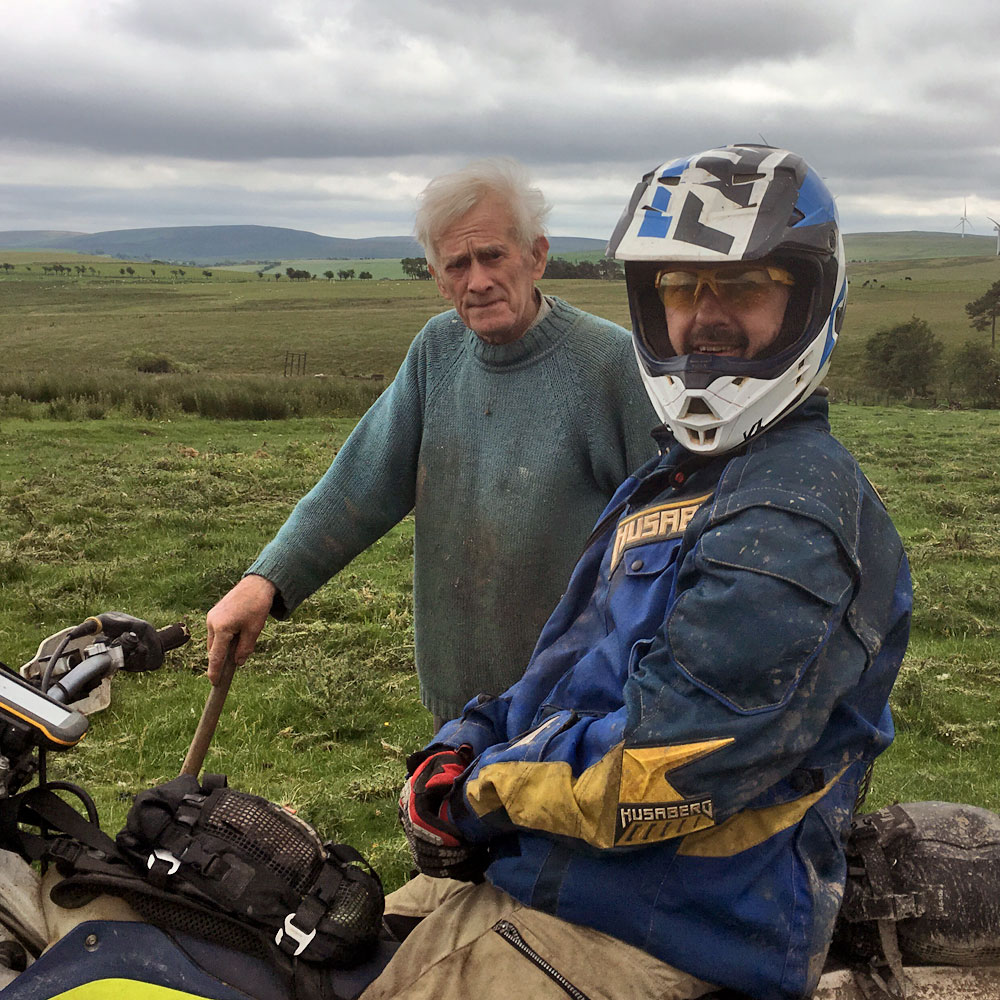
However, if we hadn’t had to make a diversion then we would never had met a fantastic gentleman who was in his 94th year. His name was John Richards and we spotted him from quite some distance beating the ground with a stick out in the middle of nowhere half way up a mountain.

As we went through the gate three crazy barking Collies came running towards us and gave us quite a fright. It turns out that he is a farmer and was out attacking the thistles on his land that he couldn’t reach by tractor. Not only this but the stick he was using was his walking stick, that he needed because he had a broken leg. He was a most interesting man and we chatted for some time about the changes in the world and the fact that he was older than the queen. His secret – a drop of brandy on an evening. Anyway, we said our goodbyes and I promised him that 2018 I would be back and would drop him in a bottle of brandy.

Our first night out sleeping under the stars was a few miles past Abergavenny. Finding it was tricky as we had to pass through a farm. On arrival I got off my bike and had a little walk around as there were multiple gates and I wanted to ensure that we were on the path and not on private property. This was the spot I had earmarked on the map. A huge green road that climbed whilst traversing a rather large hill. It did not disappoint, we had a natural supply of water that had filtered through the moss, the shelter of some trees – great for someone with a hammock, plenty of dead wood for a small fire and a cracking view.

I had mixed feelings about the destination I had chosen for camp 2. It was on part of a route that I use when travelling around Hay-on-Wye which is next to a river that we cross and a byway. All was going well until around 8pm when a very angry farmer turned up and verbally assaulted us all. We left quickly, and the other guys had decided that they would find another place to sleep. I carried on the route for another 5-10 miles and slept alone. It was amazing to have been out on my own, settling down with a nice cup of tea to watch the sunset. As the darkness crept over me a suddenly became aware of a ghostly sound that I could hear every so often. I must admit for a while I was worried about being eaten alive by some terrible beast yet was so tired I soon fell asleep.

no-repeat;center top;;

Dean-Wild-Camping-08

https://trail.trf.org.uk/wp-content/uploads/2018/03/Dean-Wild-Camping-08.jpg

The next day

The next day I got up and travelled a little further along the route and then found a tree to lean the bike on a wait for the others to catch back up on the route. Whilst I waited for them a car went past and about 30 seconds later I heard that dreadful sound again from the night…. Turns out it was a cattle grid that I could hear during the night, I nearly peed myself when I found out and thought what a daft idiot. I didn’t wait long before the others caught up to me. It turns out that they had managed to track down the owner of the land, a local lord, who gave them permission to set up a camp some hundred or so yards away from the angry farmer.

Later that day we stopped at a very small friendly campsite for a cup of tea and to discuss where we were going to sleep that night. We didn’t want another night facing an angry farmer. Darth suggested we stay where we were at the campsite, so before long we were indulging in hot showers and a field to ourselves all for £5 each. Note to all planning a similar adventure expedition – it is very handy to have one or two planned nights in a campsite to make use of their facilities and continue your journey fresh and revived.

After four days riding and sleeping rough we only had half a day riding to do until we would reach our destination. The forecast that day was for heavy rain – so I decided to call in on a farmer friend of mine in Carno who willingly put us up in a barn with a pub next door. Tom ending up sleeping the night on a big bundle of wool which is probably the comfiest nights sleep he ever had.

no-repeat;center top;;

Dean-Wild-Camping-06

https://trail.trf.org.uk/wp-content/uploads/2018/03/Dean-Wild-Camping-06.jpg

Dean-Wild-Camping-09

https://trail.trf.org.uk/wp-content/uploads/2018/03/Dean-Wild-Camping-09.jpg

In summary

In summary our adventure was a great success we found some great camping spots, loads of green roads were discovered (that I can now incorporate into other runs that I do) and nobody suffered any injuries or hypothermia.

Lots and lots of planning went into this and we did have a back up vehicle driven by Kevin and his wife which carried spare wheels etc. in case we needed some heavy-duty bike maintenance on route or if anybody sustained injury they could be picked up with their motorbike.

So I would just like to say that if you have ever been out green roading and wished that you could just keep going, if ride outs just aren’t long enough for you and instead of being glad that you are back at home with your feet up after a day’s riding you wished you were still out on the open road, may I suggest you get planning your own adventure and don’t let fear hold you back.

no-repeat;center top;;